Burger Chef [Indianapolis]
Description: Former Burger Chef Corporation
Location: Multiple. Original Store at 3401 West 16th Street, Indianapolis, IN
Condition: Mixed
Originally Photographed: June 2001
 Do you know what flame-broiled hamburgers, soft-serve ice cream, the launch of two different fast-food empires, an amusement park in Indianapolis, a defunct insurance company, and a huge food conglomerate have in common? The answer is an amazing pair of brothers and a fascinating piece of Lost Indiana called Burger Chef.
Frank P. Thomas was a tinkerer, and way back in 1929 he started a small firm named General Equipment Company to produce and sell some of the machines he created. These inventions included a mechanism that would freeze a milk mixture and dispense it nearly solid – a device Frank called the “Sani-Serv”, and what we know as the first patented soft-serve ice cream machine. In 1954 James W. McLaramore and Dave Edgerton convinced Frank to produce an improved version of a hamburger grill. The new one would use a series of gas flames to “flame-broil” the patty. Frank agreed, and the partners took the prototype machine back to their small group of restaurants in Jacksonville, Florida. Searching for a name that would set them apart from the growing crowd of fast food stands, they had settled on “Burger King”, and a legend was born.
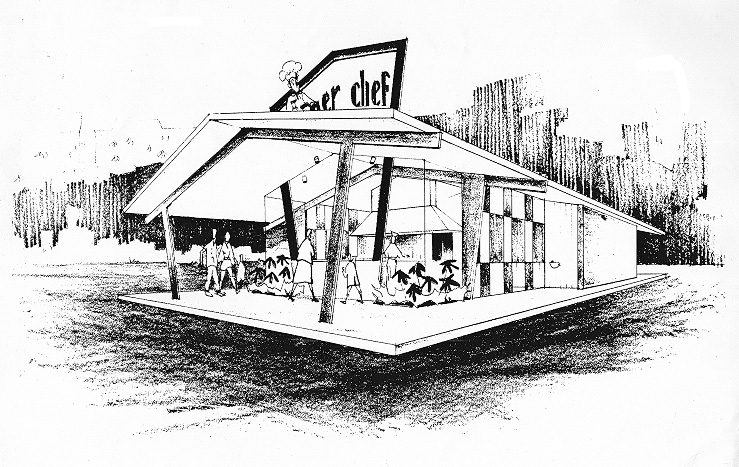
The 1957 concept drawing by Harry E. Cooler for the first store at 1300 West 16th Street in Indianapolis. Courtesy JSF’s Burger Chef Tribute.
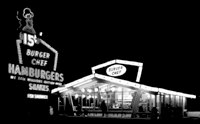
![A postcard showing a nightime picture of the first store design. Notice the hamburgers were 15 cents each. [Click for larger picture]](https://lostindiana.net/wp-content/uploads/2012/11/burgerchef8large.jpg "burgerchef8large")
A postcard showing a nighttime picture of the first store design. Notice the hamburgers were 15 cents each. [Click for larger picture]
Meanwhile, Frank was making some improvements to the machine, and by 1957 had doubled the production rate to 2,000 burgers per hour. He and his brother, Frank P. Thomas, opened a prototype fast-food burger stand at the Little America Amusement Center, across the street from the new Glendale Shopping Center at 62nd Street and Keystone Avenue in Indianapolis, Indiana.
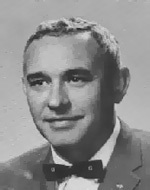
Frank P. Thomas
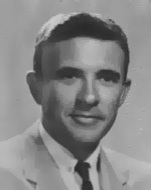
Donald J. Thomas

Don Thomas (left) and Frank Thomas (right) on June 21, 1965 with the flame broiler that was the heart of each Burger Chef. Photo by Joe Young, courtesy of The Indianapolis Star.
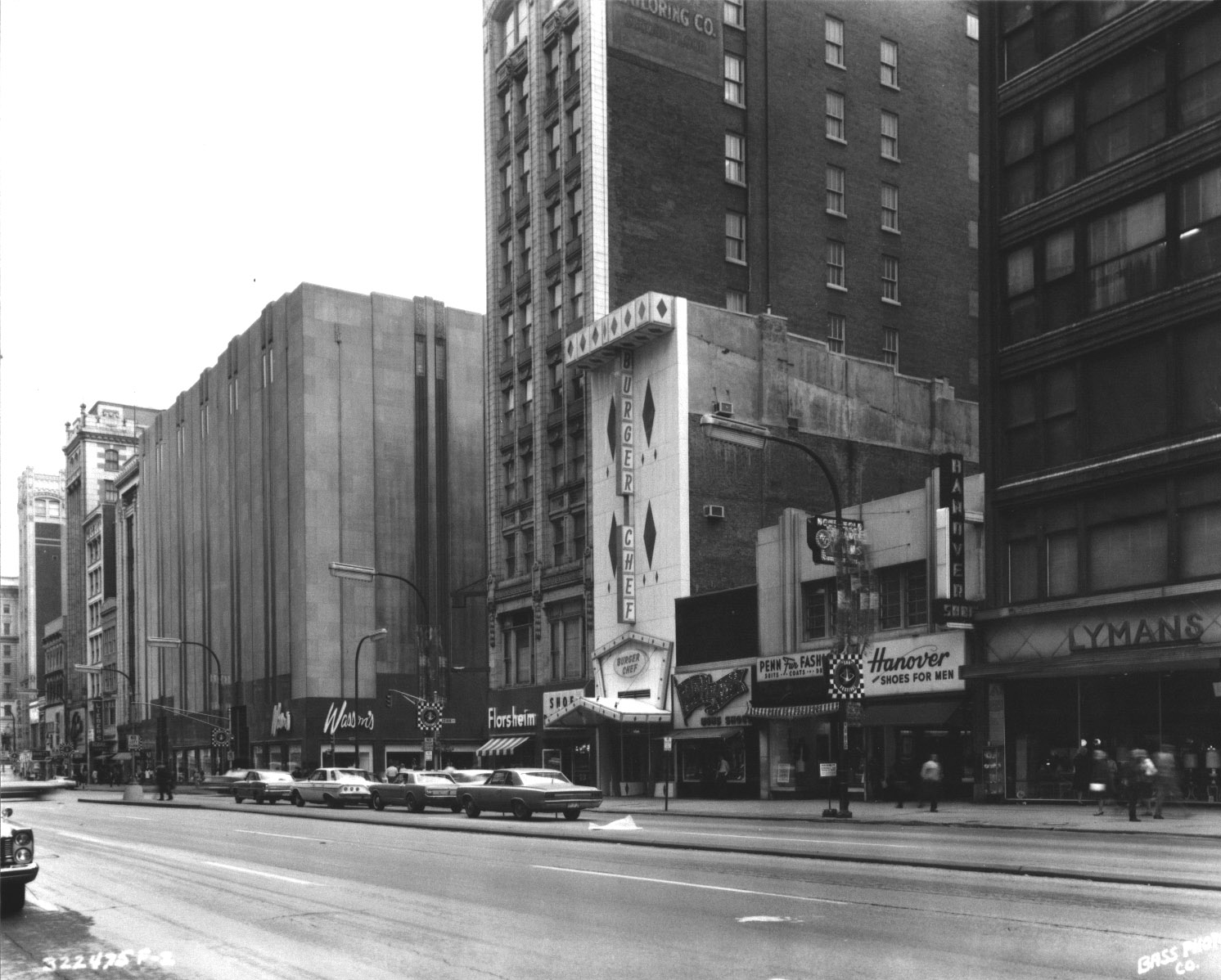
Store Number 450: 6 East Washington Street in 1967. From the W. H. Bass Photo Company Collection (322475F-2), courtesy Indiana Historical Society.
Pleased with the response, the brothers decided to open a stand-alone restaurant at 3401 West 16th Street in Indianapolis, which they called “Burger Chef”. The unique taste of the char-grilled burger, coupled with the brother’s extensive contact network in the food service business, and a reasonable 15-cent price per burger, meant that the chain grew quickly. In 1961 the chain opened its 75th store, and by September 1, 1965 when the 450th store opened at 6 East Washington Street in Indianapolis, the chain had operations in 34 states. 134 more stores opened by 1966, the same year that they renamed General Equipment Company the “Sani-Serv” division of Burger Chef Systems, Inc.
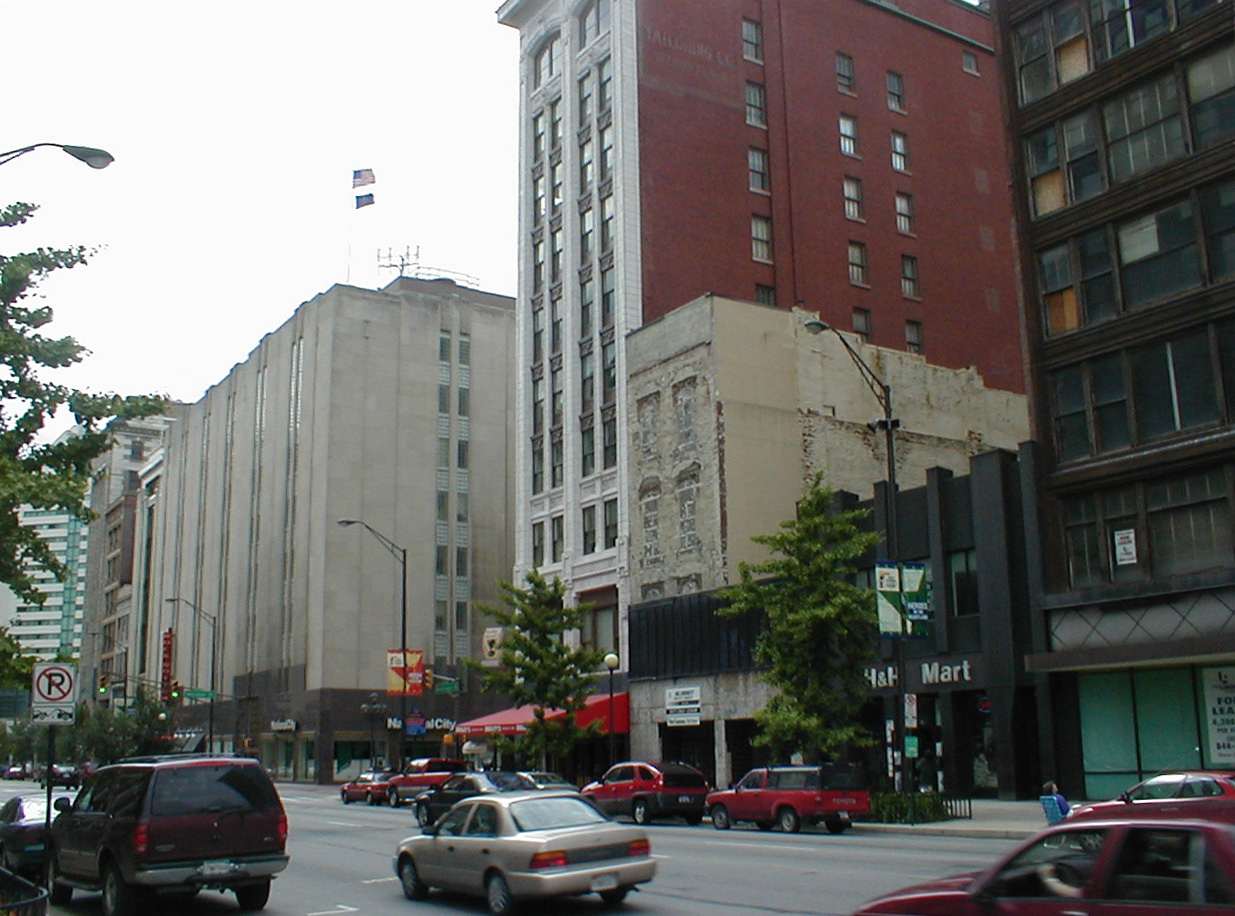
The building was converted into a Hardees – there were still posters for sandwiches hanging in the darkened windows when the building was demolished in the spring of 2002.
The staggering growth rate of Burger Chef continued until the chain boasted nearly 900 stores in late 1968 – second only to McDonald’s, who only had about 1,000 locations at the time. The brothers were getting tired, though, having worked almost constantly to build Burger Chef for 14 years. In that year, General Foods Corporation, makers of packaged grocery goods like Post Cereal, purchased Burger Chef and Sani-Serv from the brothers for nearly $20 million. Announcing grand plans for expansion, the deep corporate pockets accelerated the growth rate, so by 1972 there were over 1,200 Burger Chef outlets in operation. General Foods moved the headquarters to the new, futuristic College Park “Pyramids” office building (the middle one, 6th floor) on the north side of Indianapolis.

The former corporate headquarters building at 1348 West 16th Street. Now used by Kirby Risk Supply Company.

The top floor conference room of the old headquarters. Most of the rest of the original building is a warehouse.

The front doors which have the only markings that show this was once the headquarters of Burger Chef.

Former headquarters of the College Life Insurance Company, better known as “The Pyramids” under construction in 1970. The buildings, designed by Kevin Roche and John Dinkeloo (who also, ironically, designed General Foods’ corporate headquarters in Rye, NY), were originally designed to house the vast amount of paper information generated by the insurance company. Once computers arrived, that became unnecessary, and General Foods took advantage of the available space by moving the headquarters to building II shortly after taking over. John Dinkeloo also designed the Cummins Engine Corporation headquarters in Columbus, Indiana, and was a partner in Eero Saarinen’s firm, who designed the TWA Terminal at John F. Kennedy Airport in New York and the Gateway Arch in St. Louis, Missouri.
Unfortunately, not all was well. The corporate-types at General Foods proved better at producing packaged goods for grocery stores than picking good locations and franchisees, and in 1972 they wrote down $47 million in the value of Burger Chef, announced plans to close over 300 stores, and launched a “Quality Improvement Plan” that led to grilling buns and experiments with salad bars – a decade earlier than any competitor. They also piloted the self-serve burger fixings bar. Unfortunately, these changes were also part of the problem – Burger Chef had no less than 4 different logos and store designs during the 1970s, while McDonald’s continued to grow at an astounding rate, and Burger King – once a minor also-ran – gained a foothold. In 1977 Sani-Serv was spun off.
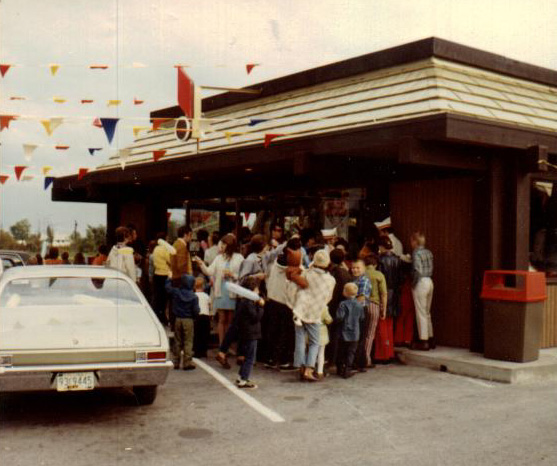
The former Burger Chef at 86th Street and Ditch Road (Greenbriar) in Indianapolis. The crowd outside is waiting for the grand opening the first day of business. This is probably around 1970 based on the logo – it was the first used by General Foods when they took over. Photo is courtesy Richard Patton, Jr.
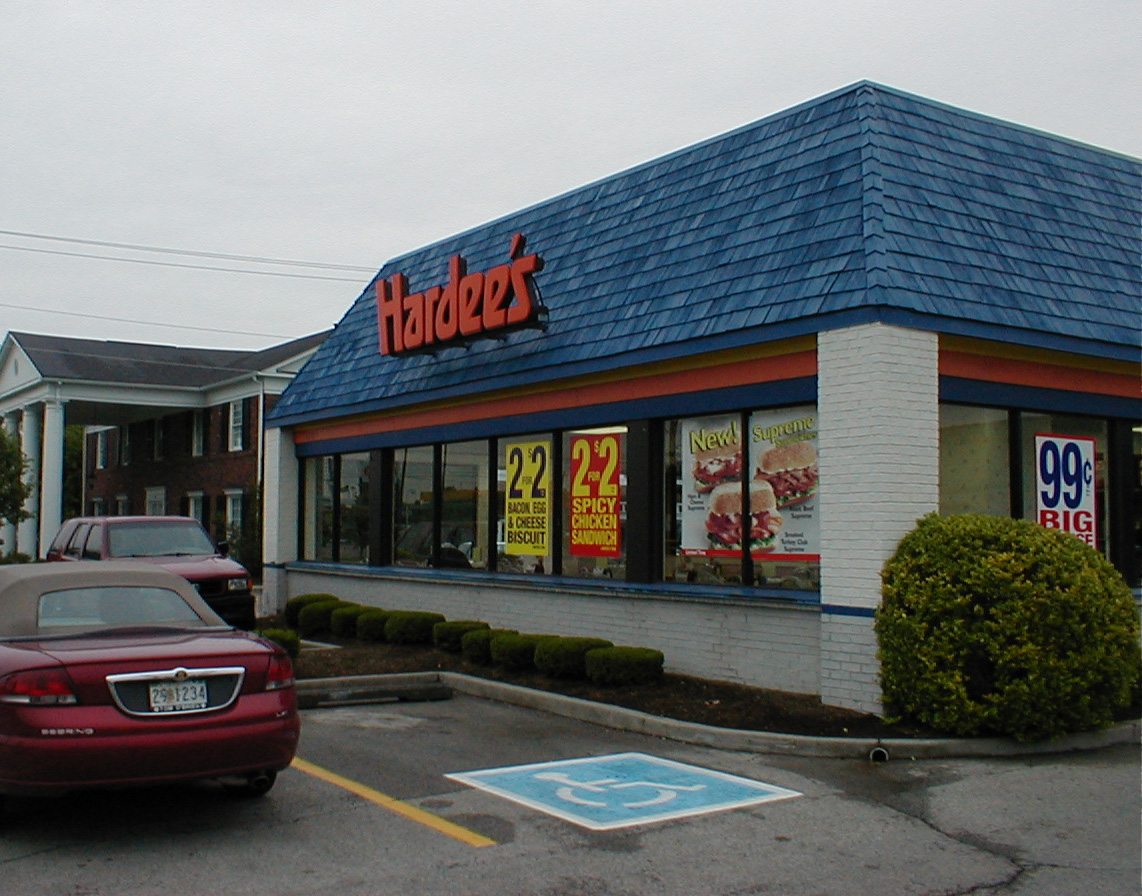
This building has undergone the architectural changes that were typical when Hardee’s converted a store: workers cover the pitched roof with shingles to form a larger, smooth-sloped roofline, and move the walls out to form a larger, cleaner look. You can see the original corner walls behind the “99c Big…” sign.
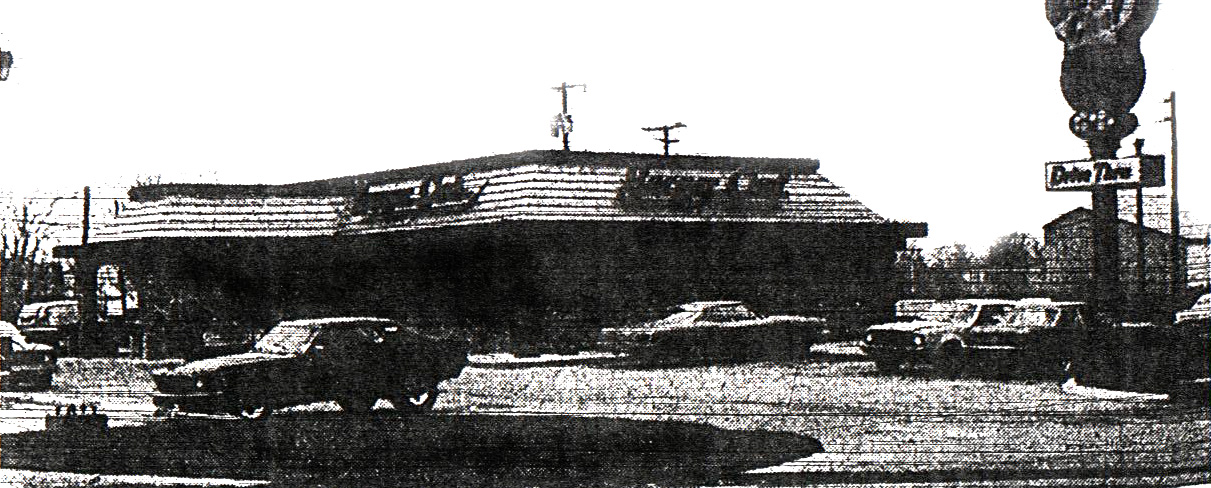
The former Burger Chef at 5725 Crawfordsville Road in 1978, the site of the Burger Chef murders.
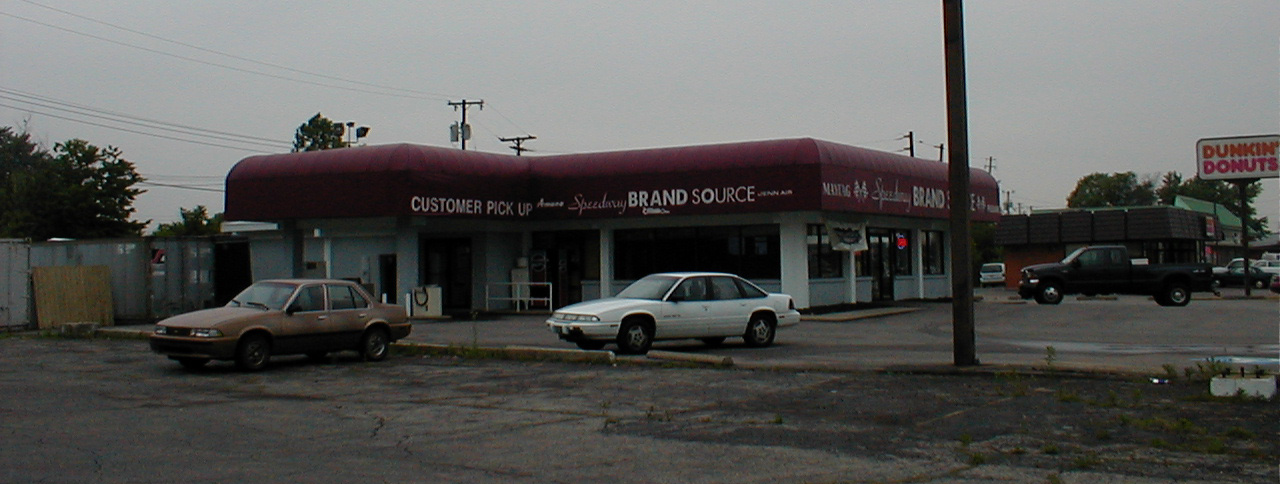
The same building today. The original building – including the exposed beams – is nearly the same.
On November 17th, 1978, someone abducted Jayne Friedt, the 20-year-old assistant manager of the Burger Chef at 5725 Crawfordsville Road in Indianapolis, along with three teen-age co-workers, Ruth Shelton, 17, Danny Davis, 17, and Mark Flemmonds, 16. Their bodies were found two days later in a hilly, wooded area off Johnson County road 700 North, near Center Grove High School. The attacker stabbed Friedt to death, shot Shelton and Davis in the back of the head, and beat Flemmonds who later died choking on his own blood. The crime occurred as the store was closing, so by the time police arrived early on Saturday morning, they assumed it was a burglary and told the employees they could clean up the store and reopen. By the time police found the bodies and realized it was a homicide, the cleaning crew already destroyed valuable forensic evidence. Despite a shaky confession by Donald Ray Forrester in 1996, who was also serving a 95-year sentence for rape, the crime has never been officially solved. The store remained open, eventually becoming a Carquest Auto Parts store and then an appliance store after Hardees elected to build a new store closer to the interstate. The field where the bodies were found is now the Timber Heights subdivision.
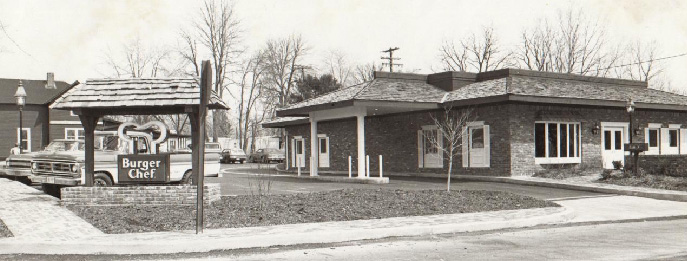
Zionsville, Indiana Burger Chef on opening day in 1980.
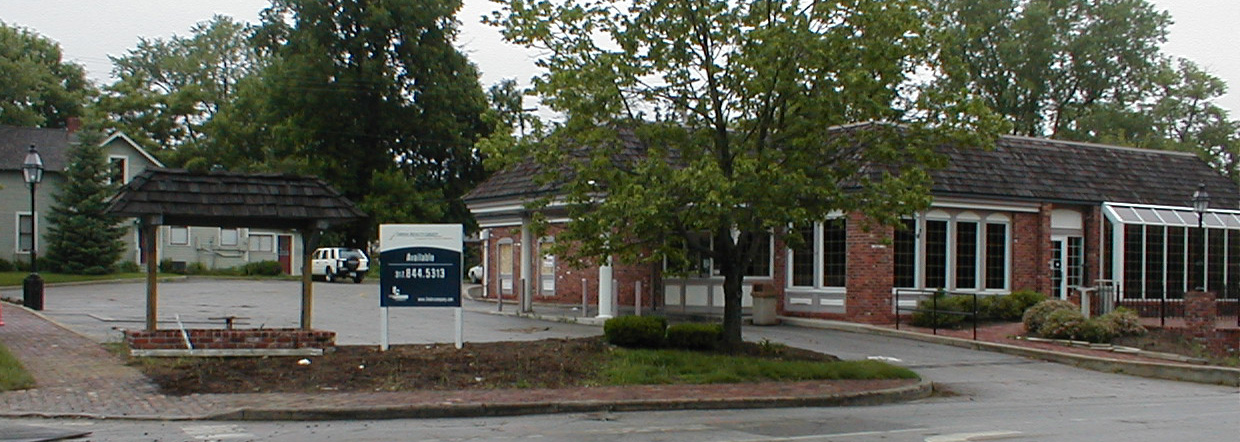
The store closed on March 22, 2001. Much of the detail work on the building is still there 21 years later, despite the addition of a “sun room”.
By 1982, General Foods had enough, and sold the chain to Imasco, Ltd., a Canadian company that also owned Hardee’s Food Systems, Inc. Imasco was looking for a way to quickly become a leader, and Burger Chef’s remaining 679 store locations meshed well with the primarily Southern-based Hardee’s. One-by-one the stores converted into Hardee’s locations or closed, but not before a $14 million lawsuit brought by a group of franchisees that accused General Foods of wrongfully forcing franchisees to undertake expensive renovations while simultaneously seeking to sell the chain. Clear up until 1996 one store remained open because of this lawsuit – in Cookville, Tennessee – but the settlement reached with its owner, Bill Mitchell, meant that upon his retirement that year, the last Burger Chef slipped into history. Phillip Morris bought General Foods shortly after selling off Burger Chef, and merged with Kraft in 1995. In 1997 CKE Restaurants, owners of the west-coast Carl’s Jr. chain, purchased Hardee’s from Imasco, thus practically obliterating any record of a separate Burger Chef Systems Company.

The former Burger Chef at 3735 Martin Luther King Jr. Drive. This store was never modified to become a Hardees, and is a great example of a “Cosmo II” style building. It still even has the “arch”.
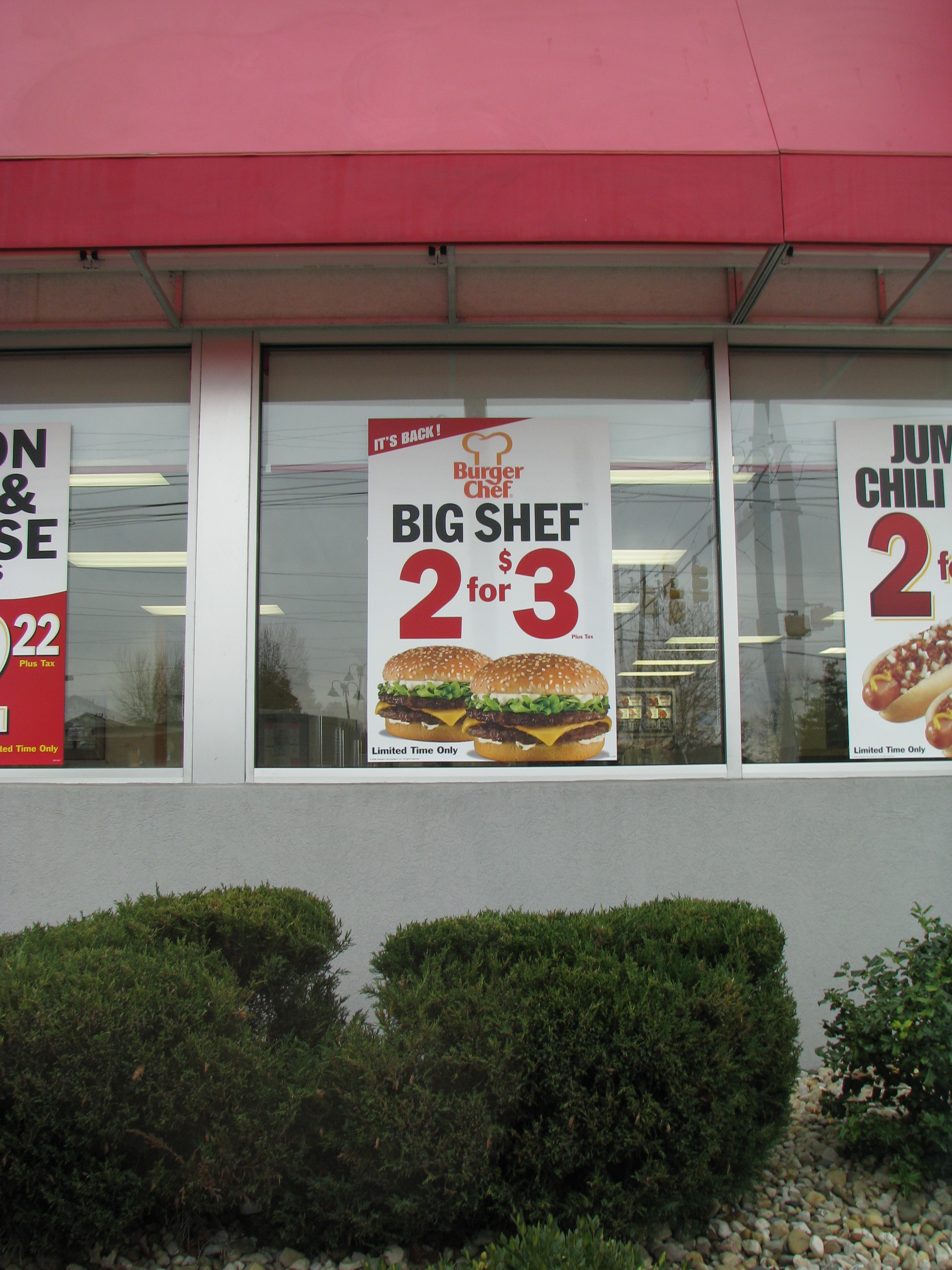
Don Thomas Sr. is still alive and lives in Oregon, and his son, Don Thomas Jr. still runs Sani-Serv, which still produces soft serve ice cream machines and recently relocated to a new Mooresville, Indiana headquarters. Hardee’s recently renewed the trademarks on names and logos related to Burger Chef, and brought back the Big Shef for a limited time in 12 former markets, including Indianapolis, Indiana. When purchased at one of the stores converted to the Carl’s Jr. flame broiler system, the new version is a very close approximation of the original. According to their website, CKE is concentrating on “revitalization of the Hardee’s chain”, and in a way bringing back a small piece of this American classic – and a bit of Lost Indiana.

From time to time Hardee’s runs a promotion bringing back the Big Shef.
Frank Thomas Jr. passed away in 2007 in Taos, NM.

Funmeals were the first all-in-one children’s meal to be sold in America. Listen to some rare MP3 audio from a record included with one of those Funmeals:




About this entry
You’re currently reading “Burger Chef [Indianapolis],” an entry on Lost Indiana
- Published:
- June 1, 2001 / 12:01 pm
- Category:
- Premier Privation
- Tags:
- Burger Chef, Fast Food, Lost Indiana, McDonald's, Urban Ruins


 Lost Indiana
17 Comments
Jump to comment form | comment rss [?] | trackback uri [?]